
Thermoplastic Polyurethane (TPU) and Thermoplastic Elastomer (TPE) are both widely used in soft-touch overmolding applications, but their failure modes under environmental exposure—particularly moisture and heat—are fundamentally different. Understanding these differences is critical for material selection in industrial applications where long-term durability matters.
This article examines the hydrolysis behavior of TPU (with critical distinction between polyether and polyester grades) and the aging mechanisms of TPE, highlighting why these two material families cannot be treated as interchangeable.
1. TPU Hydrolysis: Polyether vs. Polyester
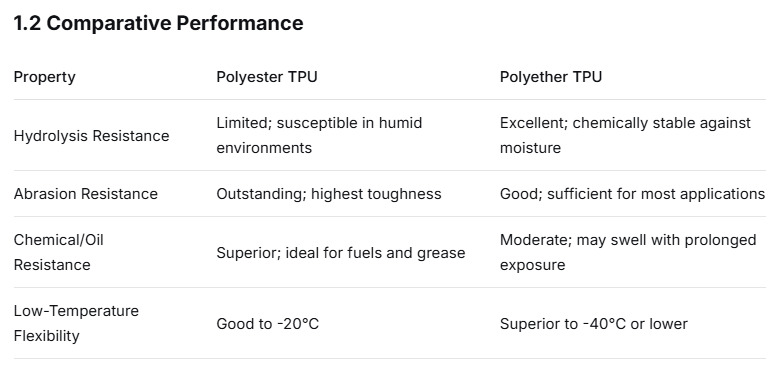
TPU is not a single material—it exists in two primary chemical families: polyester-based TPU and polyether-based TPU. Their hydrolysis resistance differs by orders of magnitude.
1.1 The Molecular Mechanism
The difference lies in the soft segment of the polymer chain. Polyester TPU contains ester bonds (—COO—), while polyether TPU contains ether bonds (—O—).
When exposed to moisture, water molecules attack these chemical linkages:
Ester bonds are highly susceptible to hydrolysis. Water molecules break the ester linkage, causing chain scission. The degradation is autocatalytic—the carboxylic acid generated by hydrolysis further accelerates the breakdown.
Ether bonds are chemically stable and hydrophobic, naturally resisting water attack. Polyether TPU is described as "virtually immune to hydrolysis".
A patent document confirms this hierarchy: "the hydrolysis rate of thermoplastic polyurethane (TPU) may follow the order polyether < polycaprolactone < polyester". Polyester TPU exhibits the highest relative hydrolysis rate among TPU types.
1.3 Quantifying Hydrolysis Resistance
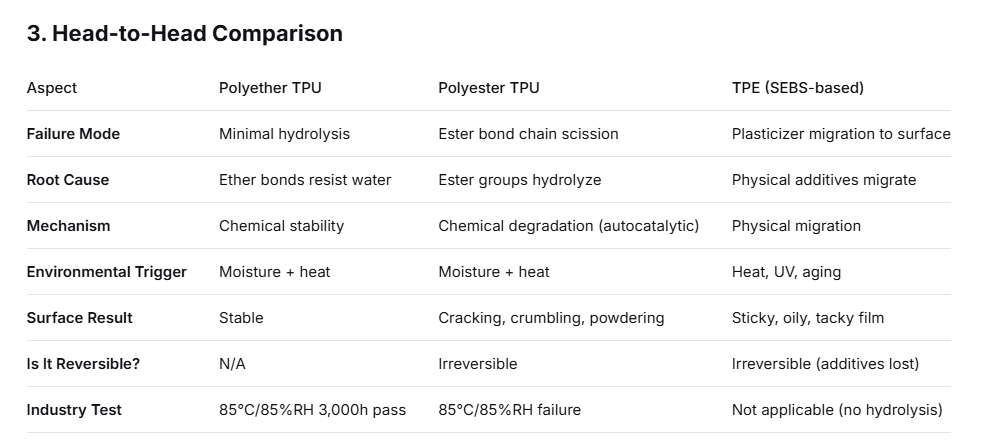
Industry-standard accelerated aging tests evaluate hydrolysis resistance by storing samples at 85°C and 85% relative humidity for 3,000 hours. High-performance polyether TPU grades pass this stringent test, while polyester TPU typically fails due to ester bond scission.
The medical device industry recognized this distinction early: "polyester type TPUs were rapidly hydrolyzed in the body" whereas polyether types—though vulnerable to metal ion catalyzed oxidation—offer superior hydrolytic stability.
2. TPE Aging: A Different Mechanism Entirely
TPE (Thermoplastic Elastomer) failure is often confused with hydrolysis, but the mechanism is fundamentally different.
2.1 Plasticizer Migration — The Primary Culprit
Unlike TPU, which achieves softness through its polymer backbone chemistry, most TPEs—especially SEBS (styrene-ethylene-butylene-styrene) based compounds—rely on plasticizing oils (mineral oil or paraffin oil) to achieve flexibility and reduce hardness.
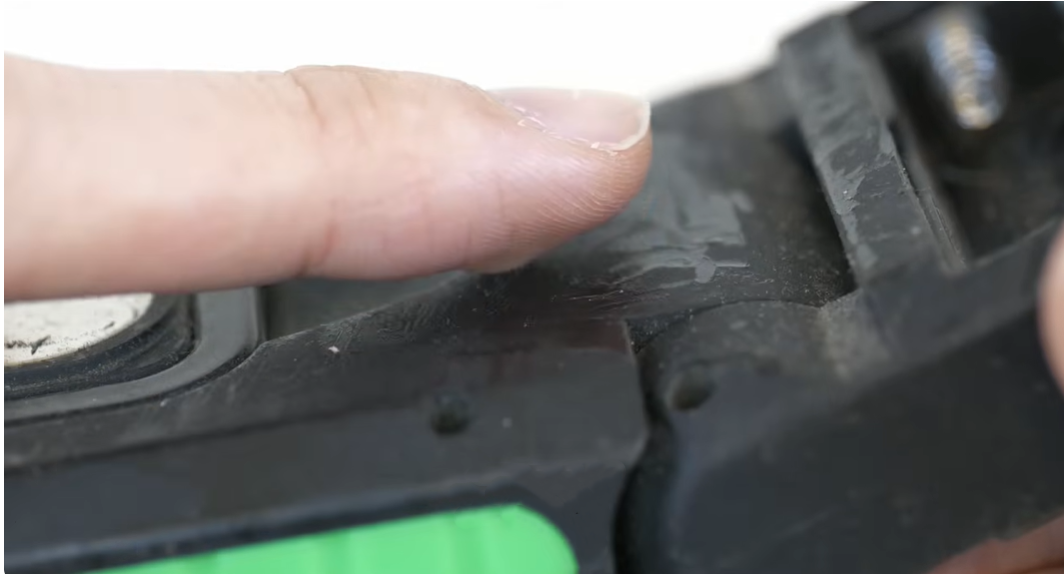
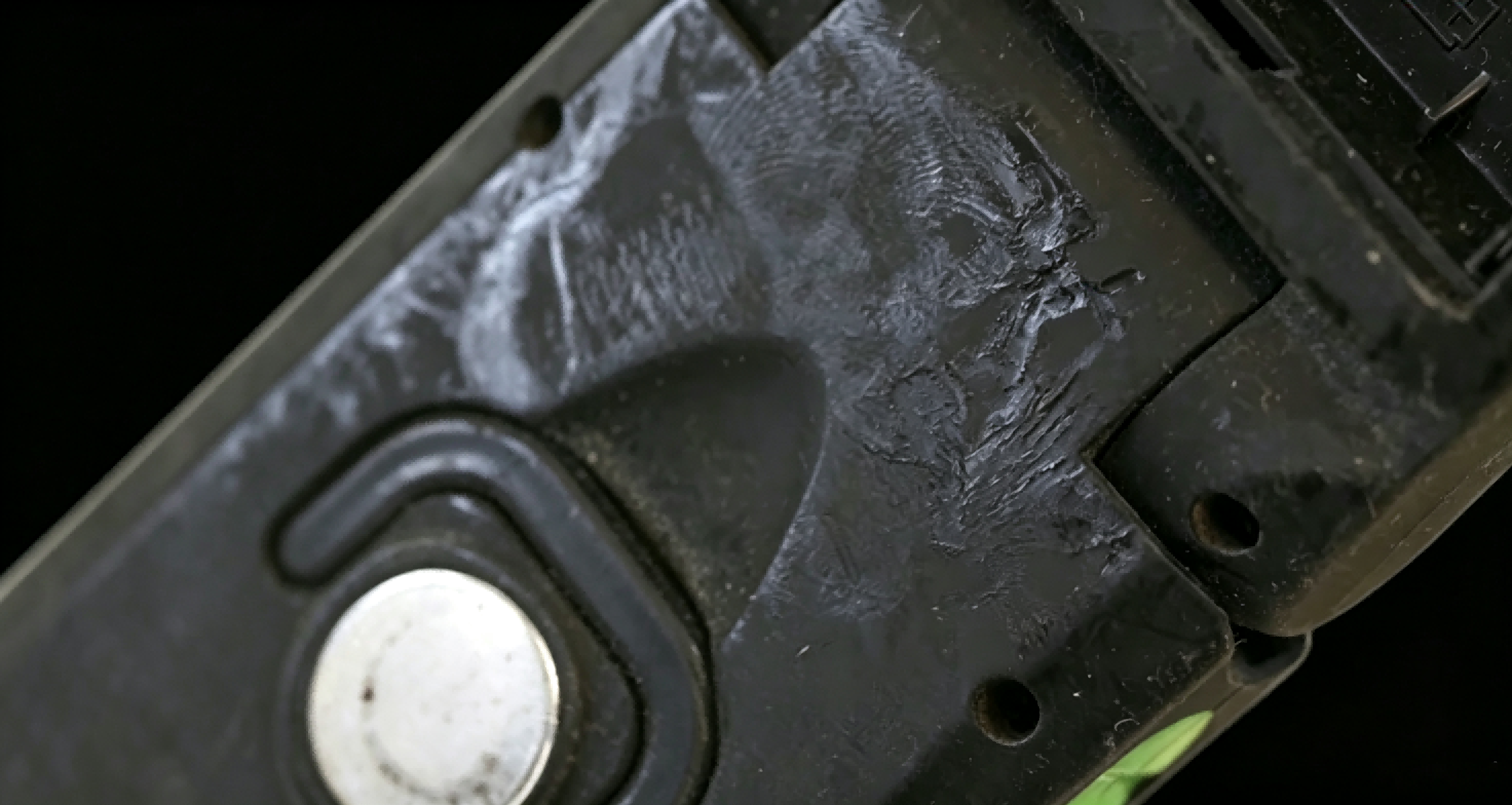
These oils are physical additives, not chemically bonded to the polymer matrix. Over time, they migrate to the surface, creating a sticky, oily film. As one source explains: "plasticizer migration is the most common culprit".
The migration mechanism involves:
Temperature acceleration: Each 10°C temperature increase can double the migration rate
Surface degradation: The protective surface layer formed during injection molding develops micropores over time, becoming "a fast track for plasticizer exudation"
Compatibility issues: Low molecular weight oils and incompatible plasticizers migrate fasterime, becoming "a fast track for plasticizer exudation"
2.2 Other Aging Factors
TPE stickiness can also result from:
Polymer degradation: Molecular chain scission under UV, heat, or oxidative stress
Additive blooming: Antioxidants, stabilizers, or colorants migrating to the surface
Thermal decomposition: High molding temperatures causing formation of low molecular weight substances
Importantly, these are physical migration and degradation phenomena—not hydrolysis in the chemical sense.
3.1 Key Distinction
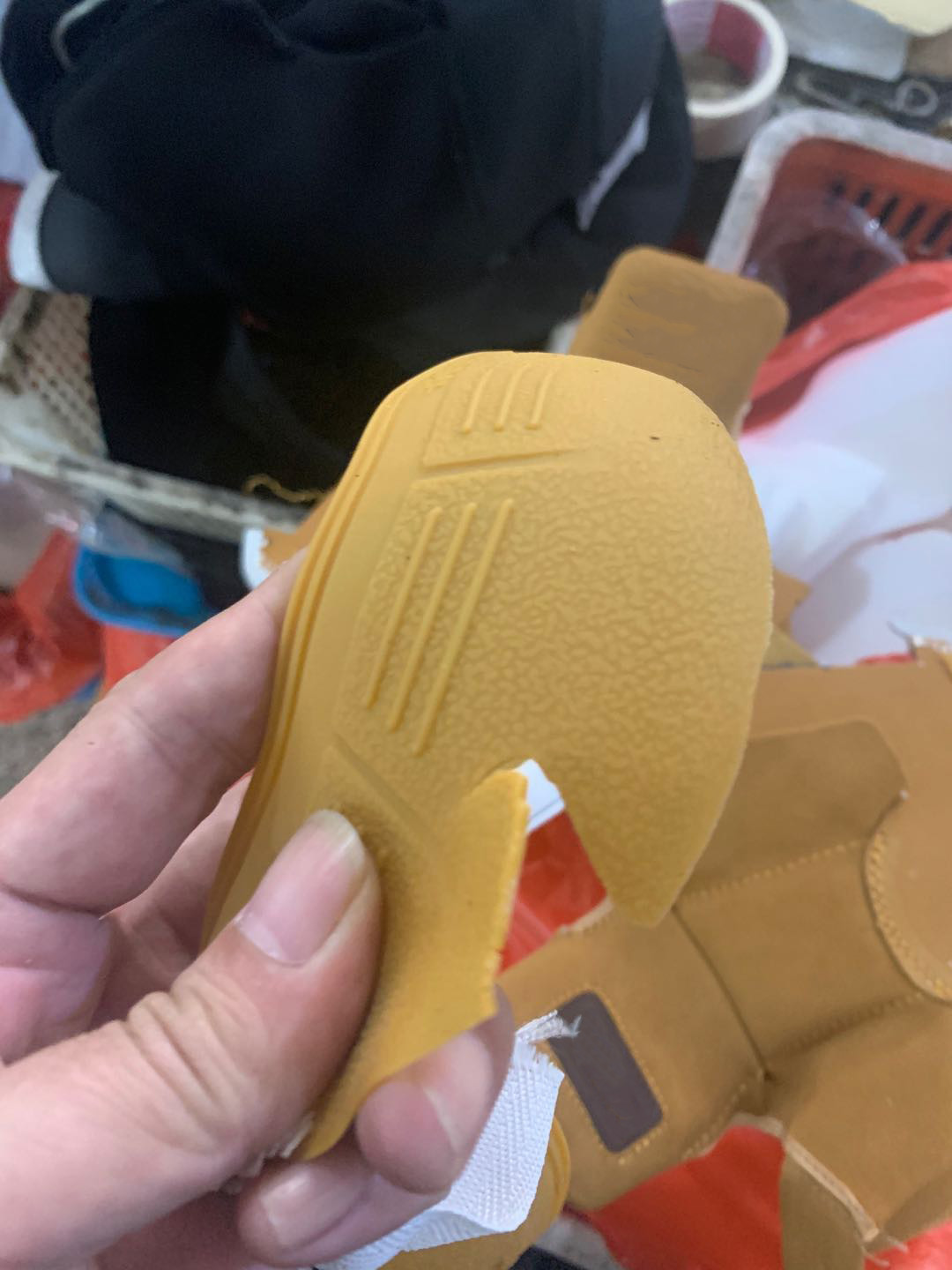
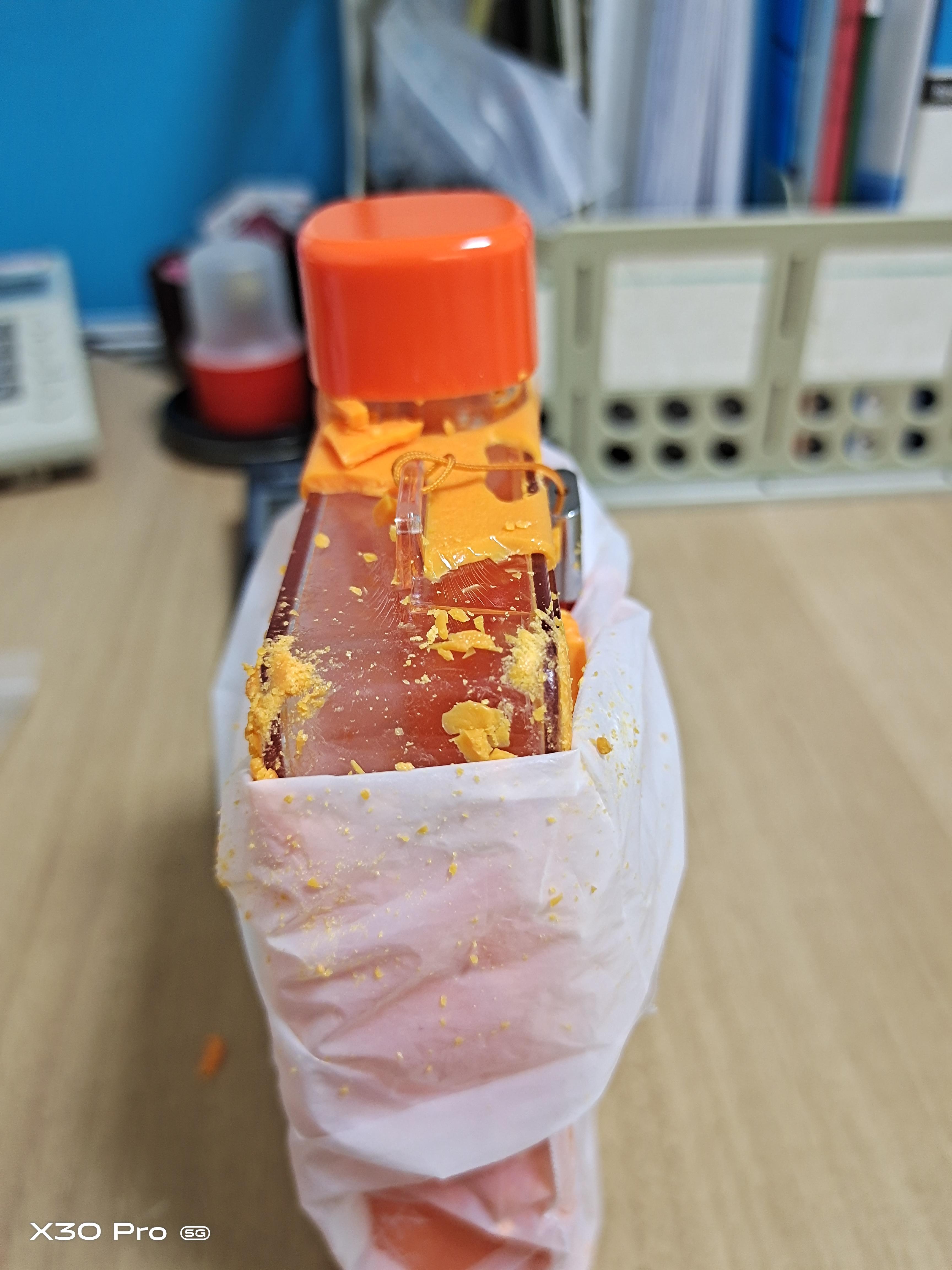
The critical takeaway: TPE does not hydrolyze in the chemical sense. Its surface degradation is caused by physical migration of additives—plasticizers, oils, and stabilizers moving to the surface. This is often mislabeled as "aging" or "degradation," but the mechanism is fundamentally different from the chemical bond scission that occurs in polyester TPU hydrolysis
As one industry source notes: "TPE's stickiness is a result of its chemical and physical properties interacting with environmental factors"—but the dominant mechanism is migration, not molecular breakdown.
4. Practical Implications for Material Selection
4.1 When to Choose Polyether TPU
Applications exposed to humidity, water, or sweat
Products requiring long-term reliability in outdoor or marine environments
Medical devices requiring biocompatibility and hydrolytic stability
Cold-weather applications (remains flexible to -40°C)
4.2 When TPE May Suffice
Indoor, dry environments with minimal temperature fluctuation
Short product lifecycles where migration won't become apparent
Cost-sensitive applications where the trade-off is acceptable
4.3 The "TPE Upgrade" Trap
Many manufacturers switch from rubber to TPE assuming they've solved the aging problem. This is a misconception. TPE may offer easier processing and consistent quality, but it does not eliminate the surface degradation issue—it merely changes the mechanism from rubber's thermal oxidation to TPE's plasticizer migration.
TPU, particularly polyether-based grades, offers a molecular-level solution by eliminating the need for plasticizers entirely. The softness is built into the polymer backbone, not added as a migratory additive.
Conclusion
TPU and TPE fail differently under environmental stress:
Polyester TPU undergoes chemical hydrolysis—ester bonds are cleaved by water, leading to irreversible molecular chain scission.
Polyether TPU is virtually immune to hydrolysis, with ether bonds resisting water attack.
TPE does not hydrolyze; it suffers from plasticizer migration—physical additives migrating to the surface over time, creating stickiness.
For applications requiring long-term durability in demanding environments, polyether-based TPU offers the most reliable performance. It eliminates both the hydrolysis risk of polyester TPU and the migration-driven degradation of TPE—addressing the problem at the molecular level rather than merely changing the failure mechanism.
Địa chỉ email
koslen@163.comSố liên lạc
18900373733Địa chỉ
Petrochemical light industry community,Wangchuan Town,Hui an County


Nếu Bạn quan tâm đến sản phẩm của chúng tôi và muốn biết thêm thông tin chi tiết, vui lòng để lại tin nhắn tại đây, chúng tôi sẽ trả lời bạn ngay khi có thể

 Mạng IPv6 được hỗ trợ